Essential Tips for Effective Snow Removal on Your Vehicle and Recommended Brushes
Winter brings beautiful snowy landscapes but also challenges for vehicle owners. Removing snow from your car safely and efficiently is crucial to maintain visibility, protect your vehicle’s finish, and ensure safe driving. Using the right tools and techniques can make this task easier and prevent damage. This guide covers best practices for snow removal on vehicles, the types of brushes you should use, and important do’s and don’ts to keep in mind.
Why Proper Snow Removal Matters
Snow left on your vehicle can obstruct your view and create hazards for you and other drivers. Snow and ice can also damage your car’s paint and trim if removed improperly. Additionally, snow flying off your car while driving can cause accidents or fines in some regions. Taking the time to clear your vehicle thoroughly and carefully protects your investment and keeps roads safer.
Choosing the Right Snow Brush for Your Vehicle
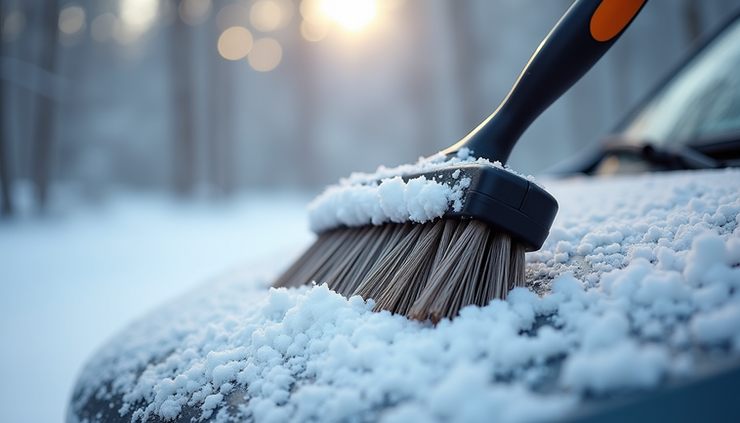
Not all snow brushes are created equal. Selecting the right brush depends on your vehicle type, the amount of snow, and the surface you need to clear.
Types of Snow Brushes
Soft-bristle brushes
These brushes have gentle bristles that effectively remove snow without scratching paint. They are ideal for cars with delicate finishes or wax coatings.
Foam brushes
Foam brushes are lightweight and gentle, perfect for light snowfalls. They are less effective on heavy, packed snow or ice.
Telescoping brushes
These brushes extend to reach the roof or windshield of larger vehicles like SUVs and trucks. They often combine a brush on one end and an ice scraper on the other.
Combination brushes with scrapers
These tools have a brush on one side and a plastic scraper on the other, allowing you to remove both snow and ice efficiently.
What to Avoid
Metal brushes or scrapers can scratch your paint and should be avoided unless used carefully on ice only.
Hard-bristle brushes can damage your vehicle’s finish.
Using household brooms or shovels can cause dents or scratches.
Best Practices for Removing Snow from Your Vehicle
Start with the Roof
Begin clearing snow from the roof to prevent it from sliding down onto your windshield or rear window while driving. Use a soft-bristle or foam brush with gentle strokes to avoid damaging the paint.
Clear Windows and Mirrors
Remove snow from all windows and mirrors to ensure full visibility. Use a scraper for ice buildup, but avoid scraping aggressively to prevent glass damage.
Don’t Forget Lights and License Plates
Snow covering headlights, taillights, and license plates can reduce visibility and may be illegal. Clear these areas thoroughly.
Work from Top to Bottom
Snow naturally falls downward. Clearing from the top down prevents re-covering areas you’ve already cleaned.
Avoid Hot Water
Pouring hot water on your car to melt snow or ice can cause glass to crack due to rapid temperature changes. Use an ice scraper or de-icer spray instead.
Use Gentle Pressure
Pressing too hard with brushes or scrapers can scratch paint or crack glass. Use light, even pressure and let the tool do the work.
Do’s and Don’ts of Snow Removal on Vehicles
Do’s
Do use a soft-bristle snow brush to protect your vehicle’s finish.
Do remove snow regularly during heavy snowfall to prevent buildup.
Do wear gloves and dress warmly to stay comfortable and safe.
Do check your vehicle’s roof, hood, windows, mirrors, lights, and license plates for snow coverage.
Do use a plastic ice scraper for ice removal, not metal tools.
Don’ts
Don’t use metal shovels or hard tools on your car’s surface.
Don’t pour hot water on your vehicle to melt snow or ice.
Don’t ignore snow on the roof or hood; it can slide off and cause hazards.
Don’t use excessive force when brushing or scraping.
Don’t leave snow-covered vehicles unattended on busy roads or parking lots.
Additional Tips for Winter Vehicle Care
Apply a protective wax coating before winter to help snow and ice slide off more easily.
Keep your windshield washer fluid topped up with a winter formula to clear salt and grime.
Check tire tread and pressure regularly for safe winter driving.
Consider investing in a car cover if you park outdoors to reduce snow accumulation.
Final Thoughts on Snow Removal
Removing snow from your vehicle is more than a chore; it’s a safety step that protects you, your car, and others on the road. Using the right brushes and techniques prevents damage and makes the process faster and easier. Keep a soft-bristle snow brush and plastic scraper in your car during winter months. Clear snow from all critical areas, especially the roof and windows, and avoid shortcuts like hot water or metal tools. With these tips, you can face winter weather confidently and keep your vehicle in great shape.



Comments